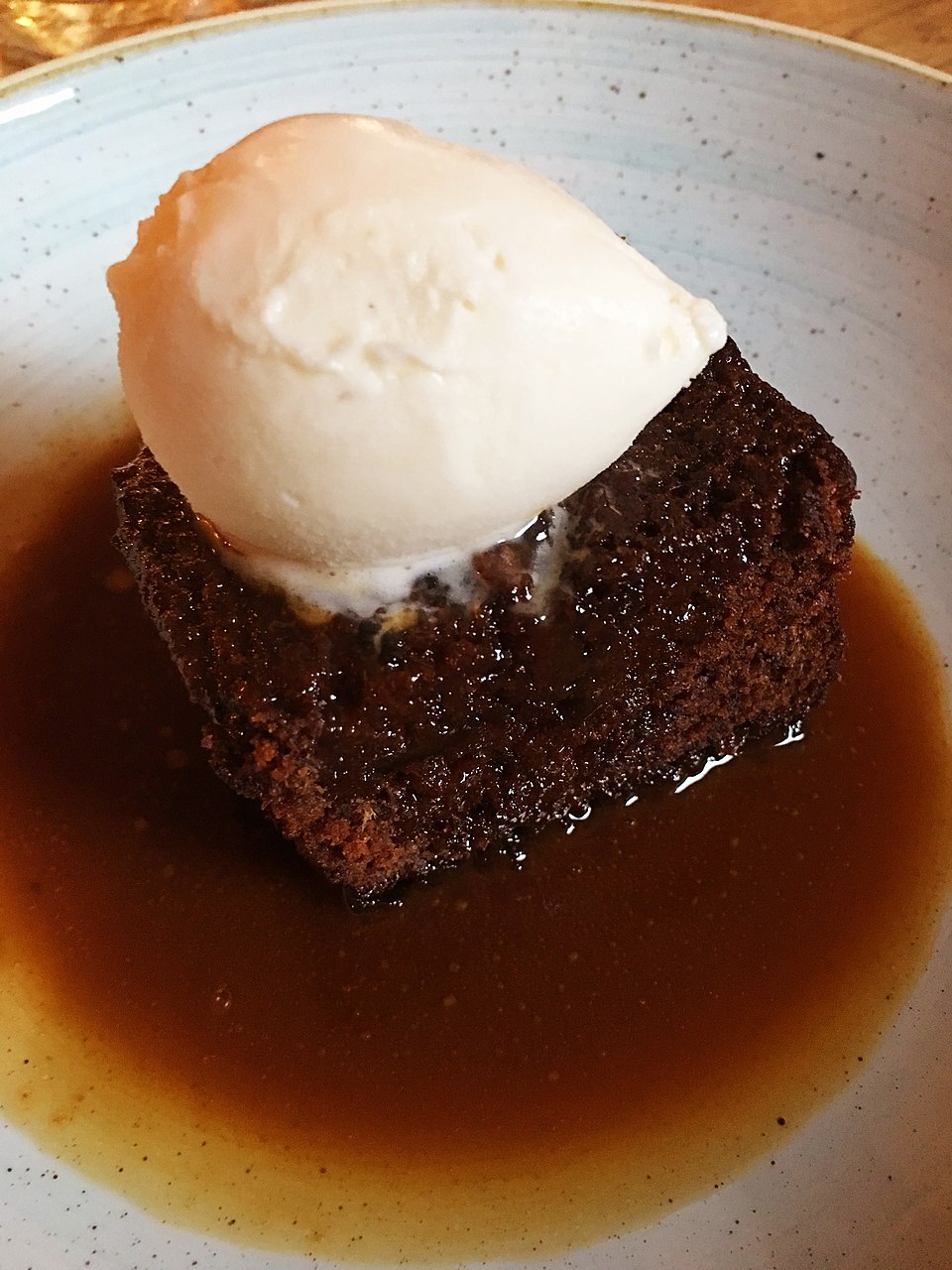
Sticky Toffee Pudding: Why Britain's Comfort Dessert Endures
There are few desserts that evoke such widespread warmth and nostalgia as sticky toffee pudding. A true emblem of British comfort food, this decadent creation transcends mere sweetness, offering a symphony of textures and flavors that has captivated palates for generations. From bustling gastropubs to intimate family gatherings, its presence is a promise of indulgence, a soft, warm hug for the soul. But what is it about this particular pudding that ensures its enduring appeal, cementing its place as a beloved culinary icon?
The Irresistible Allure of Sticky Toffee Pudding
At its heart, sticky toffee pudding is a masterclass in elegant simplicity, built upon two foundational elements: a moist, date-infused sponge cake and a lavish, buttery toffee sauce. Yet, the magic lies in the details and the masterful interplay of these components.
- The Sponge Cake: Unlike many traditional sponges, the base of a sticky toffee pudding is far from dry. Its characteristic moisture and rich depth come primarily from chopped dates, often Medjool or Deglet Noor, which are typically soaked in boiling water with a touch of baking soda. This crucial step softens the dates, releasing their natural sugars and breaking them down into a pureed base. The baking soda also reacts with the dates, creating a unique texture that is both tender and incredibly moist, giving the cake its signature "stickiness" even before the sauce is added. Brown sugar, flour, butter, and eggs complete this comforting canvas, contributing to a dense yet light crumb that is exquisitely absorbent.
- The Toffee Sauce: This isn't just any caramel; it's a rich, buttery, and often slightly darker toffee sauce. Prepared with cream and dark brown sugar, sometimes with a knob of butter, it's simmered to a luxurious consistency that is both pourable and intensely flavored. The sauce is generously drizzled over the warm pudding, allowing the cake to soak up its caramel-like notes, transforming it into a truly decadent experience. The warmth of the sauce is key, enhancing the overall aroma and creating a sensory experience that is deeply satisfying.
The combination is nothing short of heavenly: a tender, honeyed cake that yields to the spoon, drenched in a warm, glossy sauce that coats every bite. It’s a harmonious balance of deep caramel notes and a natural sweetness from the dates, creating a flavour profile that is complex yet utterly comforting.
A Journey Through Time: The Enduring Legacy of Sticky Toffee Pudding
The story of sticky toffee pudding is as rich and layered as the dessert itself, full of intriguing claims and pivotal moments that solidified its status. While its exact origins remain a delightful culinary debate, its journey from humble beginnings to a national treasure is clear.
Some culinary historians suggest its roots might trace back to Canada, where a similar date-based pudding, perhaps introduced by Canadian servicemen during World War II, found its way to Britain. This theory posits an evolution from earlier spiced molasses steamed puddings, which would have resonated with the British tradition of steamed desserts. However, its definitive emergence onto the British culinary scene is more clearly marked in the latter half of the 20th century. Early claims include appearances on menus as far back as 1907 at the Gait Inn in Yorkshire or, more widely cited, a 1967 version at the Udny Arms Hotel in Scotland.
The dessert truly achieved national prominence and became a household name in the early 1970s, largely thanks to hotelier Francis Coulson. At the Sharrow Bay Country House Hotel in England's picturesque Lake District, Coulson popularized his version of sticky toffee pudding, transforming it into a signature offering. His dedication and passion not only put the dessert on the map but also helped cement the Lake District's reputation for hearty, home-style culinary excellence. This pivotal moment is often celebrated as the catalyst for the dessert's widespread adoration across the UK.
Today, sticky toffee pudding remains an unshakeable staple in British cuisine, a testament to its enduring appeal. It's a fixture in gastropubs, a highlight of afternoon tea spreads, and a cherished component of holiday meals. Its commercial success further underscores its popularity, with companies like the Cartmel Sticky Toffee Pudding Company in Cumbria, founded in 1984, having sold over 10 million units, often using premium ingredients like Medjool dates and muscovado sugar. The global reach of this dessert is also impressive; it's found its way into international cookbooks and menus, proving its universal charm. For a deeper dive into its fascinating beginnings, you might enjoy The Sweet History of Sticky Toffee Pudding: Origins & Evolution.
The historical journey of this beloved dessert shows how tradition, innovation, and a touch of regional pride can create something truly iconic. To understand more about its cultural significance, explore Sticky Toffee Pudding: From Dates to Decadence, A British Icon.
Beyond the Basics: Serving Suggestions & Modern Twists
While the classic sticky toffee pudding is perfection on its own, its versatility allows for delightful accompaniments and creative variations that cater to diverse tastes. The key to its enduring appeal lies not just in its inherent deliciousness but also in its adaptability.
Classic Companions
The traditional way to serve sticky toffee pudding is warm, bathed in extra toffee sauce, alongside a cool, creamy element. These accompaniments aren't just for decoration; they provide a crucial textural and temperature contrast that elevates the entire experience:
- Vanilla Custard: The smooth, mellow sweetness of vanilla custard is arguably the most quintessential pairing, offering a comforting warmth that complements the pudding's rich flavors.
- Vanilla Ice Cream: A scoop of good quality vanilla ice cream provides a delightful cold contrast to the warm pudding and sauce, creating a wonderful hot-and-cold sensation. As it melts, it enriches the sauce further.
- Whipped Cream or Clotted Cream: For a lighter, airier contrast, freshly whipped cream adds a touch of elegance, while a dollop of rich clotted cream offers a luxurious, velvety counterpoint.
Expert Tip: Always ensure your pudding is served warm, and don't be shy with the sauce! A generous pour makes all the difference.
Inventive Variations
While the classic recipe reigns supreme, the foundation of dates and toffee lends itself beautifully to creative adaptations:
- Spiced Delights: A pinch of cinnamon, nutmeg, or cloves can add an autumnal warmth to the sponge, deepening its flavor profile. Ginger, too, can introduce a subtle, warming kick.
- Nutty Additions: Chopped walnuts or pecans folded into the sponge or sprinkled over the top before serving add a delightful textural crunch and earthy notes that complement the sweetness.
- Citrus Zest: A hint of orange or lemon zest in the sponge can brighten the flavors, cutting through some of the richness with a refreshing tang.
- Modern Interpretations: Contemporary chefs experiment with twists like a touch of sea salt in the toffee sauce to enhance its caramel notes, or even unexpected ingredients like a swirl of tahini for an earthy, nutty complexity. Pumpkin puree can be added to the sponge for a seasonal twist.
These variations demonstrate the pudding's versatility, allowing it to remain fresh and exciting while respecting its comforting origins.
Crafting the Perfect Sticky Toffee Pudding at Home
Recreating this British classic in your own kitchen is a rewarding experience. While it appears complex, it's surprisingly approachable with a few key considerations:
- Quality Dates are Key: Opt for high-quality dates like Medjool, known for their soft, plump texture and rich, caramel-like sweetness. They are the cornerstone of the pudding's flavour and moisture.
- Don't Skimp on the Soaking: Properly soaking the dates in boiling water with baking soda is vital. This breaks them down, creating that unique sticky texture and ensuring they impart maximum flavour.
- The Sauce's Secret: A good toffee sauce benefits from patience. Simmer it gently until it thickens, allowing the sugars to caramelize fully without burning. Dark brown sugar is preferred for its deeper molasses notes.
- Baking Wisely: Avoid overbaking the sponge. It should be moist and tender, not dry. A skewer inserted into the center should come out clean, but the pudding should still feel springy.
- Serve Warm: The magic of sticky toffee pudding truly comes alive when served warm. Gently reheat individual portions in the microwave or a low oven, and warm the sauce separately.
Making your own sticky toffee pudding not only fills your home with an incredible aroma but also allows you to control the quality of ingredients, ensuring an unforgettable dessert experience.
The enduring popularity of sticky toffee pudding is no mystery. It’s a dessert that perfectly marries a rich history with an irresistible flavour profile. From its debated origins to its widespread acclaim through the efforts of culinary pioneers, it has captured the hearts and taste buds of millions. Whether enjoyed in its classic form with a generous pour of custard or with a contemporary twist, this comforting, indulgent British icon continues to offer a sweet embrace, proving that some traditions are simply too delicious to ever fade away.
