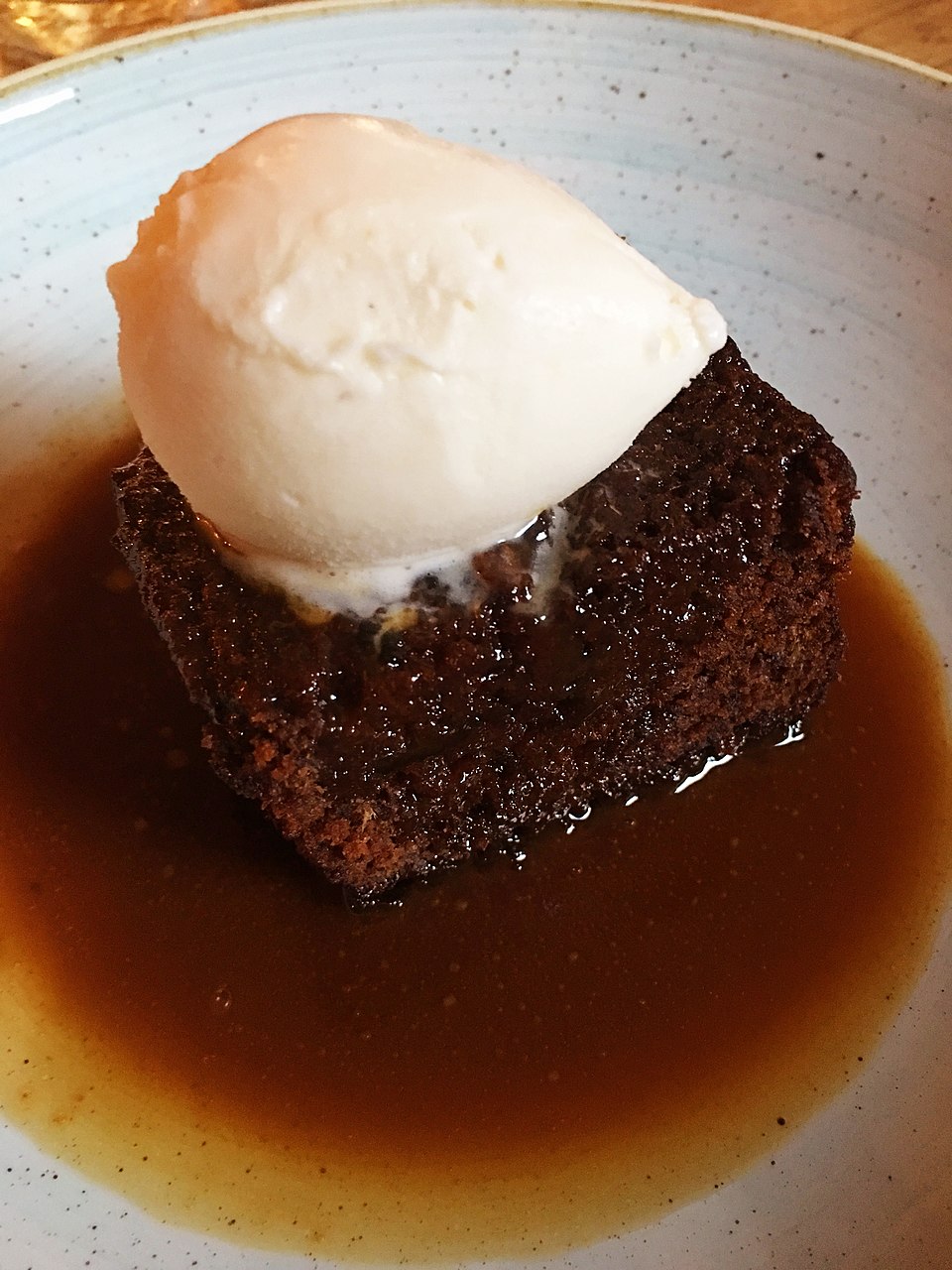
The Sweet History of Sticky Toffee Pudding: Origins & Evolution
Few desserts evoke the same sense of warmth, comfort, and nostalgic indulgence as sticky toffee pudding. This traditional British delight, renowned for its moist, date-laden sponge and lashings of buttery toffee sauce, has secured its place as a quintessential comfort food. But beyond its irresistible flavour and comforting texture, lies a fascinating and somewhat debated history, tracing its journey from potential transatlantic roots to becoming a national treasure found on menus across the globe. Join us as we delve into the delicious past and present of this beloved dessert.
The Anatomy of a Classic: What Makes Sticky Toffee Pudding So Special?
At its heart, sticky toffee pudding is a masterpiece of simple yet profound flavours and textures. It's a dessert that meticulously balances richness with an almost ethereal lightness, making it universally appealing. Understanding its core components is key to appreciating its enduring charm.
The Moist Sponge Cake: Dates at the Core
The foundation of any great sticky toffee pudding is its sponge cake. This isn't just any cake; it's a remarkably moist and rich creation, primarily built around dates. Ingredients like flour, butter, eggs, and brown sugar contribute to its structure and depth, but it's the dates that truly define it. Typically, dates are soaked in boiling water, often with a touch of baking soda, to soften them and create a pureed base. This process isn't merely for flavour; it's instrumental in achieving the pudding's characteristic stickiness and depth, infusing every bite with a natural, caramel-like sweetness and an incredibly tender crumb. The historical reliance on dates, imported through British ports like Whitehaven in centuries past, speaks to the dessert's deep connection to trade and global ingredients.
The Luscious Toffee Sauce: A Golden Embrace
What would sticky toffee pudding be without its accompanying sauce? The warm, buttery toffee sauce is not merely a topping; it's an integral part of the experience, drenching the cake and seeping into every crevice. Crafted from cream and dark brown sugar, sometimes with an additional knob of butter, this sauce transforms the sponge into a truly decadent treat. Its rich, caramel-like consistency and deep flavour profile perfectly complement the date-infused cake. When served warm, the sauce melts into the sponge, creating a harmonious blend of textures where the fluffy cake contrasts beautifully with the sticky, gooey topping.
The Perfect Accompaniments: Enhancing the Indulgence
While the pudding and sauce are a magnificent duo, the experience is often elevated by perfectly chosen accompaniments. Traditionally, sticky toffee pudding is served warm with:
- Vanilla Custard: Its creamy, velvety texture and subtle sweetness provide a classic, comforting contrast.
- Vanilla Ice Cream: The cold, melting ice cream offers a refreshing counterpoint to the warm, rich pudding, creating an exquisite hot-and-cold sensation.
- Whipped Cream: A lighter option that adds a cloud-like texture and a touch of coolness.
- Clotted Cream: For an extra layer of richness, particularly popular in Southwest England, offering a dense, luxurious creaminess.
These pairings don't just add flavour; they introduce a crucial element of temperature and textural contrast that makes each spoonful an utterly satisfying sensory experience.
Tracing the Roots: Unraveling the Origins of Sticky Toffee Pudding
The true genesis of sticky toffee pudding is a delicious enigma, a topic of spirited debate among culinary historians and enthusiasts alike. While firmly established as a British icon today, its journey to fame is paved with intriguing theories and influential figures.
The Canadian Connection: A Transatlantic Theory
One prominent theory suggests a transatlantic origin, specifically from Canada. It's believed that a similar date-based pudding may have been brought to Britain by Canadian servicemen during World War II. These early recipes could have evolved from even older North American desserts, such as spiced molasses steamed puddings, which share a lineage of warm, dark, and sweet baked goods designed for comfort in colder climates. This exchange of culinary ideas between allies during wartime is a plausible scenario for the introduction of new flavour profiles and cooking techniques.
Early Appearances in the UK: From Humble Beginnings to Restaurant Stardom
While the Canadian theory posits an earlier conceptual root, sticky toffee pudding as we recognise it today truly began to appear on British restaurant menus in the late 1960s. Several establishments lay claim to introducing the dish:
- Udny Arms Hotel, Scotland (1967): One notable early claim comes from Scotland, suggesting a version was served here in the late 1960s.
- Gait Inn, Yorkshire (1907): This claim points to a much earlier iteration, though it might represent a precursor or a different, less refined version that pre-dates the popularised modern form. It highlights that date puddings were not entirely new to British cuisine, but perhaps the "sticky toffee" element was refined later.
These early mentions indicate a period of culinary experimentation and the gradual integration of this style of dessert into mainstream British dining.
Francis Coulson and the Sharrow Bay Phenomenon
Regardless of its precise birthplace, there's little doubt that Francis Coulson played a pivotal role in catapulting sticky toffee pudding to national prominence. As the pioneering hotelier at the Sharrow Bay Country House Hotel in England's picturesque Lake District, Coulson adopted and refined the dessert in the early 1970s. It quickly became a signature offering, drawing visitors specifically to experience his version. Coulson's influence was immense; he not only cemented the pudding's status as a must-try British dessert but also helped establish the Lake District's reputation for hearty, home-style culinary excellence. His dedication to quality ingredients and perfect execution helped set the standard for what a truly great sticky toffee pudding should be.
Sticky Toffee Pudding Today: A Modern British Classic
From its contested origins and popularisation, sticky toffee pudding has firmly embedded itself in the fabric of British cuisine. Today, it stands as a testament to the enduring appeal of comforting, well-made desserts, transcending its historical roots to achieve global recognition.
A Staple Across the UK and Beyond
Today, sticky toffee pudding is far more than a restaurant curiosity; it's a beloved staple. You'll find it gracing menus in high-end gastropubs, featuring prominently in traditional afternoon teas, and often making an appearance at holiday meals and special occasions. Its comforting profile makes it ideal for a wide range of settings, from a cozy night in to impressing guests at a dinner party. The dish's rich, sweet, and satisfying nature resonates deeply with the British palate, making it a go-to choice for generations.
Commercial Success and Global Reach
The pudding's popularity isn't limited to home kitchens and restaurant dining rooms. Commercial producers have also embraced its appeal. The Cartmel Sticky Toffee Pudding Company, founded in 1984 in Cumbria (just a stone's throw from Sharrow Bay), is a prime example. This company has sold over 10 million units, using high-quality ingredients like Medjool dates and muscovado sugar, demonstrating the immense commercial viability and widespread demand for this classic. Its global appeal has seen it featured in international cookbooks, adapted by chefs worldwide, and appearing on menus far beyond the UK, proving its universal charm as a quintessential comfort food.
Endless Variations and Modern Twists
While the classic recipe, with its emphasis on the natural sweetness of dates and a rich toffee sauce, remains paramount, sticky toffee pudding is also wonderfully adaptable. Traditional variations might include subtle additions like chopped walnuts for texture or a hint of cloves for a spiced warmth. More modern interpretations showcase the dessert's versatility, with chefs experimenting with creative twists such as tahini for an earthy, nutty note or even pumpkin for a seasonal flair. These innovations ensure that while its core identity remains, sticky toffee pudding continues to evolve and surprise.
Tips for the Home Baker and Diner
For those looking to enjoy sticky toffee pudding, whether at home or dining out, here are a few insights:
- Quality Dates are Key: When baking, invest in good quality dates like Medjool; their natural sweetness and soft texture are crucial.
- Don't Skimp on the Sauce: The sauce is non-negotiable. Make extra – you'll want it!
- Serve Warm: This dessert is designed to be served warm, allowing the sauce to absorb and the flavours to meld beautifully.
- Embrace the Accompaniments: Experiment with different pairings to find your favourite hot-and-cold or creamy contrast.
The enduring popularity of sticky toffee pudding lies in its perfect balance of textures and flavours – a moist cake, a rich sauce, and often a cooling accompaniment. It’s a dish that truly delivers a warm hug for your taste buds, striking a delicious balance between sweet indulgence and sophisticated comfort.
Conclusion
From its debated beginnings, possibly spanning continents, to its popularisation by culinary pioneers and its evolution into a global phenomenon, the history of sticky toffee pudding is as rich and layered as the dessert itself. It embodies the essence of British comfort food – hearty, unpretentious, and utterly satisfying. As it continues to delight diners around the world, adapting to new tastes while retaining its comforting core, sticky toffee pudding remains a testament to the timeless appeal of a truly great dessert, forever cementing its status as a beloved icon.
